 By Ramakant Dua
 Kamal Chowk is one of the most prominent, commercially active, and community-rooted intersections in the Lashkaribagh and Kamptee Road zone of Nagpur, Maharashtra, India. Located on Dr. Ambedkar Marg — one of Nagpur’s important eastern arterial roads — this well-recognized chowk serves as a key transit junction, a busy local market hub, and a significant civic landmark for the residents of the surrounding neighborhoods. Kamal Chowk sits in close proximity to Nagpur’s famous Sarafa Bazaar — one of the largest and most celebrated jewellery and textile markets in central India — and Mangal Bazar, making the broader zone one of the most commercially vibrant and shopper-friendly neighborhoods in the Orange City.
In 2026, Kamal Chowk continues to thrive as a recognized and active urban intersection in Nagpur’s commercial heartland. Nagpur — the Zero Mile City of India, the second capital of Maharashtra, an emerging IT and logistics hub, and a city of extraordinary historical and cultural significance — provides a dynamic and enriching setting for this chowk. With the Nagpur Metro network transforming urban connectivity, the Dr. Babasaheb Ambedkar International Airport serving the region’s aviation needs, Deekshabhoomi and the RSS headquarters reinforcing Nagpur’s national significance, and the famous Sarafa Bazaar drawing shoppers from across Vidarbha, Kamal Chowk stands as a busy and important node in the commercial fabric of one of central India’s greatest cities.
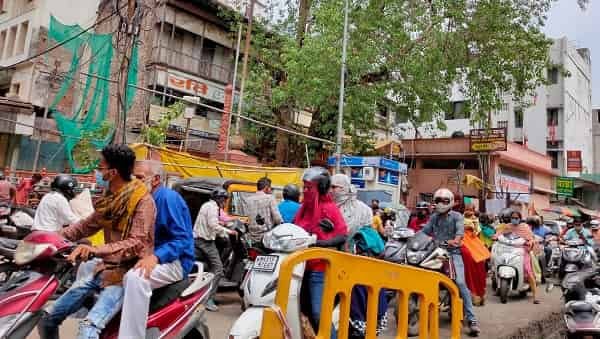
Kamal Chowk Nagpur Quick Details
| Category | Details |
| Location | Kamal Chowk, Dr. Ambedkar Marg, Lashkaribagh, Nagpur, Maharashtra – 440017 |
| Also Known As | Kamal Chowk Nagpur; Dr. Ambedkar Marg Chowk |
| Nearest City | Wardha (~75 km), Amravati (~155 km) |
| Highway | Connected via NH-44 (Nagpur–Hyderabad Highway) and NH-7 (Nagpur–Varanasi Highway) |
| Key Roads | Dr. Ambedkar Marg, Kamptee Road, Lashkaribagh Road, Central Avenue Road, Itwari Road |
| Nearest Railway Stn | Nagpur Junction (~5 km) / Itwari Railway Station (~3 km) |
| Nearest Metro | Nagpur Metro — nearest station on the North–South or East–West corridor |
| Nearest Airport | Dr. Babasaheb Ambedkar International Airport, Nagpur (~8 km) |
| Bus Connectivity | NMSRTC city buses, MSRTC buses, autos, e-rickshaws, app-based cabs |
| Iconic Landmark | Sarafa Bazaar, Mangal Bazar, Deekshabhoomi, Central Avenue |
| Importance | Commercial, transit, textile & jewellery hub |
| Nearby Areas | Lashkaribagh, Itwari, Kamptee Road zone, Nawa Nakasha, Zenda Chowk |
| Pin Code | 440017 |
| Admin Body | Nagpur Municipal Corporation (NMC) |
| Redevelopment Status | Nagpur Metro operational; NMC Smart City upgrades (ongoing) |
1. Location & Identity of Kamal Chowk
Kamal Chowk is located on Dr. Ambedkar Marg — named after Dr. Bhimrao Ramji Ambedkar, the great jurist, social reformer, and architect of India’s Constitution — in the Lashkaribagh area of Nagpur. The chowk sits along this important eastern arterial road that runs through one of Nagpur’s most historically and commercially significant inner-city zones, connecting the Lashkaribagh and Kamptee Road neighborhoods to the city’s core commercial markets including the famous Itwari and Sarafa Bazaar zones. Industrial establishments including Adpan Industries, National Pipe Company, and Veena Industries are associated with the Kamal Chowk address, reflecting the area’s mixed residential, commercial, and light-industrial character.
The chowk’s proximity to Sarafa Bazaar — Nagpur’s most celebrated jewellery and textile market, with Sarafa Bazaar on New Itwari Road holding a 4.1-star rating from over 2,500 customer reviews — and Mangal Bazar — another major traditional market — makes the broader zone one of the most shopped and visited commercial neighborhoods in the city. Residents, traders, and visitors from across Nagpur and the Vidarbha region converge in this area for jewellery, textiles, clothing, and daily commerce.
The identity of Kamal Chowk is shaped by:
- Its location on Dr. Ambedkar Marg — a road honoring India’s most transformative social reformer, whose greatest work was accomplished in Nagpur
- Its proximity to Sarafa Bazaar and Mangal Bazar — two of Nagpur’s most celebrated commercial destinations
- Its position in the Lashkaribagh zone — an established inner-city neighborhood with deep community roots
It is often described as:
- A key commercial junction in Nagpur’s inner-city jewellery and textile market corridor
- A busy neighborhood hub serving the densely populated Lashkaribagh and Kamptee Road zone
The area is surrounded by:
- Sarafa Bazaar and Mangal Bazar — major traditional markets for jewellery, textiles, and apparel
- Light industrial establishments, warehouses, and small manufacturing units
- Dense residential neighborhoods, mosques, temples, and community spaces of the Lashkaribagh zone
Administered by: Nagpur Municipal Corporation (NMC), one of Maharashtra’s most active municipal bodies, responsible for civic maintenance, road management, and Smart City Mission implementation across the city.
2. Connectivity & Transport Infrastructure
Kamal Chowk benefits from Nagpur’s excellent road network, the transformative Nagpur Metro system, and proximity to Itwari Railway Station — giving it strong transit connectivity within the city and to the broader Vidarbha region.
1. Road Connectivity
Dr. Ambedkar Marg:
The primary road on which Kamal Chowk is situated, Dr. Ambedkar Marg is one of Nagpur’s important eastern arterials connecting the Lashkaribagh area to the city’s core commercial and institutional zones. The road carries heavy daily traffic from residents, industrial workers, and traders moving between the inner city and the Kamptee Road zone.
Kamptee Road:
One of Nagpur’s most important northern corridors, Kamptee Road connects the chowk zone to the Kamptee cantonment area — one of India’s oldest military cantonments — and to the broader northern Nagpur industrial and residential belt. The road also provides access to the Butibori industrial area further north.
Central Avenue Road and Itwari Road:
These key roads connect Kamal Chowk to Nagpur’s most important commercial zones — Central Avenue is one of the city’s most historically significant commercial roads, while Itwari Road leads directly to the Itwari wholesale market and railway station area, the commercial heart of inner Nagpur.
NH-44 and NH-7 — Nagpur’s National Highway Connections:
Nagpur’s extraordinary position as India’s geographic center is reflected in its national highway connectivity. NH-44 (Nagpur–Hyderabad) and NH-7 (Nagpur–Varanasi) radiate from the city, connecting it to Chennai in the south, Varanasi in the north, Mumbai in the west, and Kolkata in the east. Kamal Chowk benefits from this connectivity through the city’s internal road network.
2. Metro & Rail Connectivity
Nagpur Metro:
The Nagpur Metro — one of India’s newer and most successfully designed metro systems — has significantly transformed urban mobility across the city. With North–South and East–West corridors now operational, Nagpur Metro connects all key zones of the city with fast, reliable, and affordable rapid transit. The metro’s reach extends toward the Itwari and eastern zones, improving Kamal Chowk’s connectivity to the railway station, the airport, IT parks, and commercial destinations.
Itwari Railway Station:
Located approximately 3 km from Kamal Chowk, Itwari is a significant inner-city railway station on the South East Central Railway, providing connectivity to Wardha, Sewagram, and destinations across central India. It serves as a convenient rail access point for the inner-city commercial population.
Nagpur Junction:
Approximately 5 km from the chowk, Nagpur Junction is one of India’s most important railway junctions — sitting at the crossroads of the Mumbai–Howrah and Delhi–Chennai main lines. The station connects Nagpur to virtually every major city in India and handles an enormous volume of daily passenger traffic.
3. Public Transport & Movement
- NMSRTC city buses run frequent routes through Dr. Ambedkar Marg and Kamptee Road connecting Kamal Chowk to all Nagpur zones
- MSRTC intercity buses connect Nagpur to Amravati, Wardha, Chandrapur, and all major Vidarbha cities
- Auto-rickshaws are the dominant short-distance mode throughout inner Nagpur
- App-based cabs (Ola, Uber, Rapido) are widely used for city-wide and airport trips
Nagpur Metro has been particularly impactful in transforming daily commuting, offering a clean and efficient alternative that significantly reduces travel times between the inner-city zones where Kamal Chowk is located and the city’s newer commercial and institutional destinations.
3. Historical Background & Cultural Significance
Kamal Chowk sits within Nagpur — a city of extraordinary historical, political, and cultural significance that has shaped Indian history in ways far disproportionate to its size.
Dr. Ambedkar’s Legacy in Nagpur
The road on which Kamal Chowk stands — Dr. Ambedkar Marg — honors one of India’s greatest figures: Dr. Bhimrao Ramji Ambedkar, the Dalit leader, jurist, economist, and primary architect of India’s Constitution. Nagpur holds a place of supreme importance in Dr. Ambedkar’s life story: on October 14, 1956, he chose Nagpur as the site of his historic conversion to Buddhism along with approximately 600,000 followers — one of the largest mass religious conversions in history. Deekshabhoomi — the sacred site of this conversion in Nagpur — is today one of the most visited Buddhist pilgrimage destinations in the world, drawing millions of devotees every year. The naming of Dr. Ambedkar Marg after this towering figure, and the presence of Kamal Chowk on this road, carries profound historical significance.
Nagpur’s National Significance
Nagpur is the geographical center of India — the Zero Mile Stone marking this distinction is a city landmark. It is also the second capital of Maharashtra (winter sessions of the state legislature are held here) and the headquarters of the RSS (Rashtriya Swayamsevak Sangh), founded here in 1925. The city’s extraordinary array of national institutions — from the Nagpur High Court to the RSS headquarters to Deekshabhoomi — gives every neighborhood of Nagpur a layer of national historical significance.
Sarafa Bazaar & Mangal Bazar — Commercial Heritage
The Sarafa Bazaar near Kamal Chowk is one of central India’s most celebrated traditional jewellery markets, dealing in gold, silver, and precious stone jewellery. Sarafa markets across India — Indore, Nagpur, and Kolkata — are famous for jewellery, silver, and increasingly for their extraordinary street food scenes. Nagpur’s Sarafa Bazaar on New Itwari Road holds a 4.1-star rating from over 2,500 customer reviews and is a destination not just for jewellery buyers but for food lovers seeking Nagpur’s famous street snacks and sweets in the evening hours.
Iconic Landmarks Nearby
- Deekshabhoomi — the sacred site of Dr. Ambedkar’s 1956 conversion to Buddhism, one of the world’s most important Buddhist pilgrimage sites
- Sarafa Bazaar (New Itwari Road) — Nagpur’s celebrated jewellery and textile market
- Mangal Bazar — one of Nagpur’s most established and popular traditional markets
- Central Avenue — Nagpur’s most historically significant commercial boulevard
- Nagpur Zero Mile Stone — marking the geographic center of India
- Sitabuldi Fort — the historic British-era fort at the center of Nagpur
These landmarks make the Kamal Chowk zone a gateway to some of Nagpur’s most historically and commercially significant destinations.
Cultural Character
Kamal Chowk represents:
- Nagpur’s deep connection to Dr. Ambedkar’s Dalit rights movement and the Ambedkarite Buddhist tradition
- Vidarbha’s distinctive cultural traditions — festivals including Ambedkar Jayanti (14 April), Diwali, Eid, Ganesh Chaturthi, and Navratri celebrated with community spirit
- The trading and commercial heritage of Nagpur’s inner-city market zone centered on Sarafa and Mangal Bazar
4. Commercial & Market Activity
Kamal Chowk and its surrounding zone form one of the most commercially active and diverse areas in Nagpur’s inner city, centered on the famous Sarafa Bazaar and Mangal Bazar markets.
Key Commercial Zones
- Sarafa Bazaar (New Itwari Road) — gold, silver, and precious stone jewellery; rated 4.1 stars by 2,500+ customers
- Mangal Bazar — one of Nagpur’s most established traditional markets for apparel and general goods
- Ambedkar Marg commercial strip — light industrial units, retail shops, and daily essentials
- Central Avenue — Nagpur’s historic commercial boulevard with branded and traditional retail
What You’ll Find
- Gold, silver, and diamond jewellery from Nagpur’s celebrated Sarafa market
- Apparel — traditional ethnic wear, sarees, readymade garments, and accessories from Mangal Bazar
- Light industrial goods from local manufacturing units including pipe and engineering products
- Daily groceries, household goods, and street food from the neighborhood market
The area attracts:
- Jewellery buyers from Nagpur and across Vidarbha visiting Sarafa Bazaar
- Apparel shoppers seeking traditional and affordable clothing at Mangal Bazar
- Local residents from Lashkaribagh and surrounding neighborhoods for daily shopping
Street Food & Dining
The Sarafa Bazaar zone near Kamal Chowk is famous for Nagpur’s extraordinary evening street food culture:
- Saoji chicken and mutton — Nagpur’s boldly spiced signature cuisine available at inner-city eateries
- Tarri poha — Nagpur’s famous spiced breakfast dish with peas and potato curry
- Nagpuri oranges — the city’s most iconic agricultural product, available at local vendors
- Jalebi, halwa, and traditional Nagpuri mithai from established sweet shops near the market
The food culture around Kamal Chowk reflects Nagpur’s rich Vidarbha culinary tradition — bold, spiced, and deeply satisfying.
5. Real Estate & Commercial Importance (2026)
Kamal Chowk and the surrounding Lashkaribagh–Itwari zone represent an established and steady commercial real estate market in Nagpur’s inner city, driven by the Sarafa and Mangal Bazar commercial pull and the area’s deep residential character.
Current Trends
- Consistent demand for commercial shop spaces in the Sarafa Bazaar and Mangal Bazar market zones
- Stable residential real estate demand in the Lashkaribagh and Kamptee Road residential belt
- Growing commercial interest from apparel and jewellery businesses seeking proximity to the established market ecosystem
Investment Perspective
- Sarafa Bazaar and Mangal Bazar’s established commercial pull ensures consistent footfall and business viability
- Nagpur Metro connectivity is enhancing real estate values across all inner-city zones
- Nagpur’s growing role as a logistics, IT, and industrial hub under the MIHAN Special Economic Zone adds long-term economic momentum
It is ideal for:
- Jewellery and textile traders seeking proximity to Nagpur’s established inner-city market ecosystem
- Residential buyers and investors seeking affordable inner-city Nagpur addresses
- Commercial businesses targeting the large and loyal customer base of the Sarafa–Mangal Bazar zone
6. Social Infrastructure & Daily Life
Kamal Chowk and the surrounding Lashkaribagh area are supported by the civic and social infrastructure of Nagpur’s well-established inner city.
1. Education
- Roshan High School on Kamptee Road — a well-established local educational institution
- Multiple government and private schools serving the Lashkaribagh and Kamptee Road residential zones
- Rashtrasant Tukadoji Maharaj Nagpur University and VNIT accessible from the broader Nagpur city network
2. Healthcare
- Government Medical College and Hospital (GMCH) — one of central India’s leading government medical institutions, accessible from the zone
- Multiple clinics, nursing homes, and pharmacies serving the Lashkaribagh residential population
- Nagpur’s growing private hospital network accessible via the city’s improving road and metro connectivity
3. Shopping & Lifestyle
- Sarafa Bazaar for jewellery and Mangal Bazar for apparel — two of Nagpur’s finest traditional shopping destinations
- Central Avenue and Sitabuldi for branded retail and modern shopping experiences
- Deekshabhoomi, Futala Lake, and Ambazari Garden for cultural and recreational outings
- Nagpur’s orange orchards accessible from the broader district for agri-tourism
7. Modern Redevelopment & Urban Changes
Nagpur has been at the forefront of urban infrastructure development in Maharashtra, with the Nagpur Metro, Smart City Mission, and MIHAN Special Economic Zone all contributing to the city’s rapid modernization across all zones including the inner-city areas around Kamal Chowk.
Key Improvements
- Nagpur Metro operational connecting the inner-city zones to the airport, IT parks, and commercial destinations
- NMC Smart City Mission improving road, drainage, and civic infrastructure in inner-city neighborhoods
- Road improvement and junction upgrades on Dr. Ambedkar Marg and Kamptee Road
- Market area beautification and pedestrian infrastructure upgrades near Sarafa and Mangal Bazar
Impact
- Metro connectivity significantly improving daily commuting for inner-city residents and workers
- Improved civic infrastructure enhancing the shopping and market experience in the Sarafa–Mangal Bazar zone
- Growing real estate confidence across Nagpur driven by metro and MIHAN investments
This development has helped balance:
- Nagpur’s historic inner-city commercial and Ambedkarite heritage + modern metro-linked Smart City infrastructure
Conclusion
Kamal Chowk in Nagpur is far more than a road junction — it is a commercial node in the heart of one of central India’s most historically significant and rapidly modernizing cities, a neighborhood intersection that sits on a road named after India’s greatest social reformer, within walking distance of the jewellery markets that have served Vidarbha’s buyers for generations.
In 2026, Kamal Chowk stands as a busy and active part of Nagpur’s commercial inner-city fabric. With Dr. Ambedkar Marg connecting it to the city’s historical and civic identity, the Sarafa Bazaar and Mangal Bazar sustaining centuries of market tradition nearby, Nagpur Metro transforming daily commuting, Deekshabhoomi drawing millions of Buddhist pilgrims, and the Zero Mile Stone marking India’s geographic center, Kamal Chowk is embedded within one of India’s most uniquely significant urban landscapes.
Whether you are shopping for gold at Sarafa Bazaar, buying apparel at Mangal Bazar, commuting via Nagpur Metro, visiting Deekshabhoomi to pay homage to Dr. Ambedkar’s transformative legacy, enjoying tarri poha at a local breakfast stall, or simply navigating the energy of Nagpur’s commercial inner city, Kamal Chowk offers an experience that is genuinely, richly, and unmistakably Nagpur.