 By Ramakant Dua
 Kanjhawala Chowk is one of the important, strategically located, and rapidly developing intersections in North West Delhi. Situated along Kanjhawala Road, this chowk serves as a key transit junction connecting rural villages, emerging residential zones, and major outer Delhi roads. Known for its mix of traditional village roots and modern urban expansion, Kanjhawala Chowk plays a crucial role in the movement of people and goods across this part of the capital.
In 2026, Kanjhawala Chowk continues to gain importance as North West Delhi develops with improved infrastructure, better road connectivity, and growing residential activity. With steady traffic, expanding local markets, and proximity to industrial and rural zones, the chowk is not just a traffic intersection but a significant node in Delhi’s outer growth corridor.
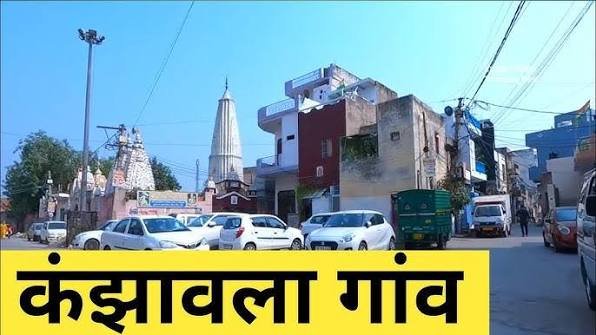
Kanjhawala Chowk Delhi Quick Details
| Category | Details |
| Location | Kanjhawala Chowk, North West Delhi – 110081 |
| Also Known As | Kanjhawala Junction |
| Nearest City | Rohini (~10 km) |
| Highway | Connected via Outer Delhi roads & NH-9 nearby |
| Key Roads | Kanjhawala Road, Karala Road, Begumpur Road |
| Nearest Railway Stn | Nangloi (~8 km) |
| Nearest Metro | Mundka / Ghevra Metro (Green Line, ~6–8 km) |
| Nearest Airport | IGI Airport (~30 km) |
| Bus Connectivity | DTC buses, autos, e-rickshaws |
| Iconic Landmark | Kanjhawala village & market |
| Importance | Rural-urban transit hub |
| Nearby Areas | Karala, Begumpur, Rohini |
| Pin Code | 110081 |
| Admin Body | Municipal Corporation of Delhi (MCD) |
| Development Status | Emerging urban zone |
| Redevelopment Status | Road improvements & infrastructure upgrades ongoing |
1. Location & Identity of Kanjhawala Chowk
Kanjhawala Chowk is located in North West Delhi, within an area that represents the transition between rural Delhi villages and expanding urban zones. Positioned along Kanjhawala Road, it connects multiple villages and developing residential areas.
Delhi’s expansion beyond its central zones has brought areas like Kanjhawala into focus, transforming them into important connectors between urban and rural landscapes.
The identity of Kanjhawala Chowk is shaped by:
- Its location near traditional villages like Kanjhawala and Karala
- Its role as a connector between rural and urban Delhi
- Its importance in local transport and trade
It is often described as:
👉 A gateway between village and city Delhi
👉 A key junction in outer North West Delhi
The area is surrounded by:
- Rural settlements and villages
- Developing residential colonies
- Local markets and transport hubs
Administered by: Municipal Corporation of Delhi (MCD), overseeing civic infrastructure and development.
2. Connectivity & Transport Infrastructure
Kanjhawala Chowk offers improving connectivity across outer Delhi.
1. Road Connectivity
Kanjhawala Road:
The main road passing through the chowk, connecting multiple villages and localities.
Karala Road:
Links the chowk to nearby residential and rural areas.
Begumpur Road:
Provides access to Rohini and other developed parts of Delhi.
NH-9 (Nearby):
Offers connectivity to major regional routes.
2. Rail, Metro & Airport Connectivity
Nangloi Railway Station:
Located around 8 km away.
Metro Connectivity:
Nearby Green Line stations like Mundka and Ghevra connect the area to Delhi Metro network.
IGI Airport:
Approximately 30 km away.
3. Public Transport & Movement
- DTC buses operate regularly
- Autos and e-rickshaws are widely available
- High use of private vehicles
The chowk experiences moderate to heavy traffic due to:
👉 Local residents
👉 Village commuters
👉 Goods and transport vehicles
3. Historical Background & Rural-Urban Transition
Kanjhawala Chowk’s significance is deeply rooted in Delhi’s village history and its gradual transformation into an urban extension of the capital.
Early Phase – Traditional Village System
Kanjhawala was historically a rural village settlement, with agriculture as the primary occupation. The region was part of Delhi’s rural belt, consisting of:
- Farming communities
- Open agricultural land
- Traditional village governance systems
The chowk area functioned as a local meeting and trade point within these settlements.
Role in Regional Connectivity
Due to its location, Kanjhawala became important for:
- Movement of agricultural goods
- Connectivity between villages
- Access to nearby markets
Roads gradually developed to support this movement.
Urban Expansion of Delhi
As Delhi expanded in the late 20th and early 21st centuries:
- Rural areas began integrating into the urban framework
- Infrastructure development increased
- Land use shifted from agriculture to residential and commercial
Kanjhawala Chowk emerged as a key junction in this transition zone.
Growth of Residential and Semi-Urban Areas
In recent decades:
- Unauthorized colonies and planned developments increased
- Population density grew significantly
- Demand for transport and services rose
This transformed Kanjhawala from a rural village into a semi-urban locality.
Modern Identity
Today, Kanjhawala Chowk represents:
- A blend of rural heritage and urban development
- A growing residential and commercial zone
- A key connector in outer Delhi
4. Commercial & Market Activity
Kanjhawala Chowk supports a growing local commercial ecosystem.
Key Commercial Zones
- Kanjhawala local market
- Karala and Begumpur markets
- Roadside shops and service centers
What You’ll Find
- Grocery stores and local shops
- Hardware and agricultural supply stores
- Small businesses and service centers
Food & Lifestyle
The area offers local food options:
- Street food and snacks
- Small dhabas and eateries
- Tea stalls and local cafes
The chowk attracts:
👉 Local residents
👉 Workers and traders
👉 Daily commuters
5. Real Estate & Commercial Importance (2026)
Kanjhawala Chowk is part of an emerging real estate zone in outer Delhi.
Current Trends
- Increasing residential development
- Affordable housing demand
- Growing commercial activity
Investment Perspective
- Lower cost compared to central Delhi
- Future infrastructure boosts potential
- High demand for affordable housing
It is ideal for:
👉 First-time homebuyers
👉 Small investors
👉 Local business owners
6. Social Infrastructure & Daily Life
The area provides essential infrastructure for residents.
1. Education
- Schools and coaching institutes nearby
- Colleges accessible in Delhi
2. Healthcare
- Clinics and hospitals within reach
- Basic medical services available
3. Shopping & Lifestyle
- Local markets and shops
- Restaurants and daily-use stores
- Access to nearby developed areas
7. Modern Redevelopment & Urban Changes
Kanjhawala Chowk is seeing gradual urban development.
Key Improvements
- Road widening and upgrades
- Better public transport connectivity
- Infrastructure improvements
Impact
- Improved connectivity
- Increased residential demand
- Growth in local economy
This development balances:
👉 Rural roots + urban expansion
Conclusion
Kanjhawala Chowk in Delhi is far more than just a traffic junction — it is a symbol of the city’s expanding boundaries and evolving landscape.
In 2026, the chowk stands as an important connector between rural heritage and modern development, supported by improving infrastructure and growing population. Its strategic location makes it a key junction in North West Delhi.
Whether you are commuting, living, or investing, Kanjhawala Chowk reflects Delhi’s transformation from traditional village life to modern urban living.