 By Saurav
Is a gold jewellery business legal without registration in India? No — and this genuinely distinguishes it from the imitation jewellery business covered earlier in this series. While an imitation or fashion jewellery seller needs only standard business registration, a genuine gold jewellery business now sits under one of the more actively enforced product certification regimes in Indian retail: mandatory BIS Hallmark Registration, covering the large majority of India’s districts as of 2026, backed by real penalties for non-compliance.
This shift didn’t happen overnight. BIS hallmarking has expanded in deliberate phases since becoming mandatory in June 2021, and the coverage has grown considerably — the government added seven more districts in a sixth phase in early 2026 alone, bringing mandatory hallmarking coverage to roughly 380 districts nationwide. If you’re planning to open a gold jewellery business anywhere in India today, assuming your location falls outside mandatory hallmarking is a genuinely risky bet given how fast this coverage keeps expanding.
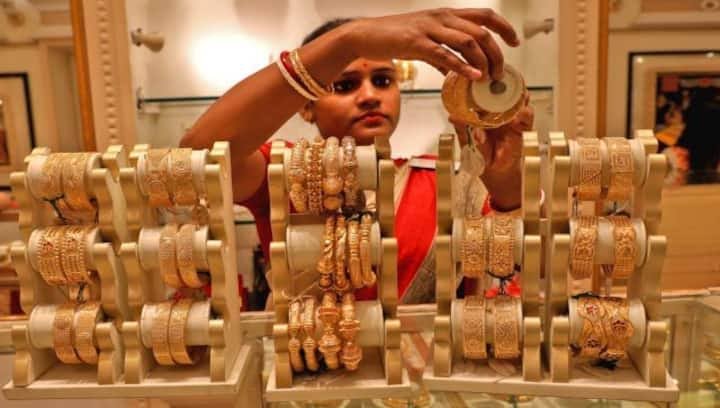
BIS Hallmark Registration: The Non-Negotiable Requirement
Before selling any hallmarked gold, jewellers need BIS Hallmark Registration — a genuinely accessible process in terms of cost, though non-negotiable in terms of requirement:
- Registration is applied for through the National Single Window System (NSWS) or the BIS portal directly, and is free, effectively instant, and valid for the lifetime of the business
- Hallmarking charges for individual pieces apply separately from the registration itself, covering the actual assaying and marking process for each item
- Once registered, jewellers must display their BIS registration certificate, and every hallmarked piece needs to carry the BIS logo, a purity or fineness mark, and the six-digit HUID (Hallmark Unique Identification) number
The HUID system specifically links each individually marked piece to a digital BIS record covering its purity, jeweller, and testing centre, verifiable by customers directly through the BIS Care App — a considerable step up in traceability compared to the older hallmarking system, which relied on physically stamped marks that were more vulnerable to counterfeiting.
How Widespread Mandatory Hallmarking Has Become
This is worth understanding in concrete terms given how quickly coverage has expanded:
- Mandatory hallmarking currently applies across roughly 380 districts, following a phased rollout that’s continued adding new districts through successive amendments
- Mandatory caratages generally cover 14K, 18K, 20K, 22K, 23K, and 24K gold jewellery and artefacts, with 9 karat available as a provision under the Indian Standard, though its status as mandatory versus voluntary is reported inconsistently across current sources
- Selling non-hallmarked gold jewellery in a covered district is illegal, carrying penalties reaching up to five times the cost of the article, or imprisonment for serious violations
Given how directly this affects your business, confirm your specific district’s current hallmarking status through the official BIS portal rather than assuming based on outdated information, since new districts continue being added.
Silver: A Genuinely Unclear Point Worth Confirming Directly
This is worth flagging honestly rather than stating with false confidence. Sources genuinely disagree on silver hallmarking’s current status — some describe it as still voluntary nationwide, with any silver piece that does carry a hallmark needing to follow the updated HUID standard regardless, while others state silver hallmarking became mandatory nationwide from September 2025. Given this direct conflict, confirm the current requirement specifically for silver jewellery through the official BIS portal before assuming either position applies to your business.
What’s Exempt From Mandatory Hallmarking
A specific set of categories currently sit outside the mandatory hallmarking requirement, worth knowing if your inventory includes any of these:
- Traditional Kundan, Polki, and Jadau jewellery
- Items weighing under 2 grams
- Thread jewellery, bullion in the form of bars or coins (governed by separate rules), watches, and fountain pens
- Goods specifically intended for export or B2B exhibition purposes
If your business deals significantly in any of these exempt categories, your hallmarking obligation is genuinely lighter than a standard gold jewellery retailer’s — but confirm this applies to your specific product mix rather than assuming a blanket exemption covers everything you sell.
PMLA: The Anti-Money-Laundering Layer Specific to Precious Metals
This is a genuinely distinctive obligation that sets gold jewellery apart from almost every other retail business in this series. Dealers in precious metals fall under the Prevention of Money Laundering Act, 2002, as a “Person Carrying on Designated Business or Profession” — a designation that brings real reporting obligations.
- Jewellers were formally brought under PMLA’s scope effective May 2023, requiring them to report suspicious cash transactions to the Financial Intelligence Unit (FIU)
- Sources genuinely conflict on the exact threshold triggering formal FIU-IND registration and Principal/Nodal Officer appointment — some describe this applying to jewellers regardless of size, others cite a cash turnover threshold around ₹2 lakh, and others specifically reference a much higher ₹500 crore annual turnover threshold for mandatory nodal officer appointment and FIU registration
- Given this genuine ambiguity across sources, and how seriously PMLA compliance failures are treated generally, consult a compliance professional directly about your specific obligations rather than assuming any single threshold applies to your business size
Cash Transaction Limits You Must Enforce
This is more consistently reported across sources and worth building directly into your sales process:
- PAN or Aadhaar documentation is required for gold purchases above ₹2 lakh
- Cash payments above this ₹2 lakh threshold should be avoided entirely, aligning with the broader restriction on large cash transactions under income tax law
- There’s been industry speculation about this cash limit potentially being reduced considerably — discussed in the range of ₹50,000 in some budget-cycle reporting — though this remains a proposal rather than confirmed law as of current information, so track any formal notification on this specifically rather than assuming the current ₹2 lakh threshold is permanently fixed
GST: 3% on Gold Value, With No Input Tax Credit
Gold jewellery carries its own distinctive GST treatment, genuinely different from most retail categories:
- Gold jewellery attracts 3% GST on the transaction value, while making charges are generally taxed separately at 5% when shown distinctly on the invoice
- Input tax credit on gold purchases is specifically blocked under Section 17(5) of the CGST Act — meaning jewellers generally cannot offset GST paid on gold procurement against their output tax liability the way most other businesses can with their inputs
- GST registration becomes mandatory once annual turnover crosses ₹40 lakh (₹20 lakh in special category states), though given how high-value gold transactions typically are, most functioning jewellery businesses cross this threshold quickly
- Reverse charge applies specifically when a jeweller purchases from an unregistered supplier, shifting the GST payment obligation onto the jeweller rather than the seller
What Happens If You Sell Gold Without Proper Registration
Given how seriously this specific sector is regulated, the consequences here carry genuinely more weight than most retail businesses covered in this series:
- Selling non-hallmarked gold jewellery in a mandatory-coverage district is illegal, with penalties reaching up to five times the article’s cost, or imprisonment for serious or repeated violations
- Failing to meet PMLA reporting obligations as a designated precious metals dealer exposes your business to regulatory action under anti-money-laundering law, separate from any hallmarking violation
- Accepting cash above the applicable threshold without proper PAN/Aadhaar documentation creates direct tax compliance exposure
- Gold smuggling or improperly sourced inventory carries separate, serious exposure under the Customs Act, 1962, including seizure, penalties up to five times the value involved, and imprisonment
FAQs
Q1. I run a small gold jewellery shop in a district that wasn’t previously covered by mandatory hallmarking — how do I check if that’s changed?
Check directly through the official BIS portal, since coverage has expanded through successive phased amendments, most recently adding districts in early 2026. Don’t assume your location remains uncovered without confirming the current status.
Q2. Do I need BIS registration to sell exempt items like Kundan or Polki jewellery, or items under 2 grams?
Generally no formal hallmark registration is required specifically for these exempt categories, but confirm this applies cleanly to your full product mix, since most gold jewellery shops carry both exempt and mandatory-hallmarking items simultaneously.
Q3. Can I claim input tax credit on the gold I purchase as raw material for making jewellery?
No, input tax credit on gold purchases is specifically blocked under Section 17(5) of the CGST Act, regardless of how the gold is subsequently used in your business.
Q4. A customer wants to pay ₹3 lakh in cash for a gold purchase — can I accept that?
No, cash payments above ₹2 lakh should generally be avoided, and PAN or Aadhaar documentation is required for transactions above this threshold. Structure your payment collection to route amounts above this limit through traceable banking channels instead.