 By Saurav
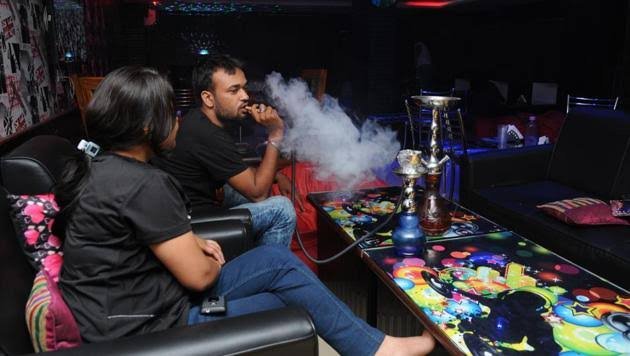
Is a hookah lounge business legal in India? Unlike a tea stall or a dhaba, there’s no simple yes here — the honest answer is that it depends entirely on which state you’re standing in, and even that answer can change within a single legislative session. Hookah occupies one of the messiest legal grey zones in India’s food and beverage space, sitting somewhere between tobacco control law, fire safety concerns, and state-level politics that shift more often than most business regulations.
This isn’t a case where getting your FSSAI registration and trade license sorted makes you compliant. In several of India’s largest states, the business itself has been banned outright, regardless of how well-documented your paperwork is. In others, it’s regulated but permitted. Anyone considering this business needs to understand which category their state falls into before spending a rupee on setup.
Why This Isn’t a National Yes-or-No
Hookah falls under the Cigarettes and Other Tobacco Products Act (COTPA), 2003 — India’s central tobacco control law. COTPA restricts smoking in public places and requires designated smoking areas in certain establishments, but it doesn’t nationally ban hookah bars as a business category. That gap is exactly why individual states have stepped in with their own amendments, and they’ve gone in dramatically different directions.
Some states have used COTPA amendments to impose outright bans on hookah bars. Others have left the central framework largely intact, meaning hookah service in a properly designated smoking area remains technically permitted. There’s no single national rule you can point to and say “this settles it” — the state notification is what actually governs your business.
States That Have Banned Hookah Lounges Outright
This list has grown steadily since 2017, and it now covers several of India’s biggest commercial markets:
- Maharashtra imposed a blanket ban on hookah parlours, with violations carrying fines up to ₹1 lakh and imprisonment up to three years under the amended COTPA framework — and the offence was made non-cognisable, meaning police don’t need a warrant to act on it
- Gujarat was the first state to introduce a comprehensive ban, which Maharashtra’s legislation later mirrored
- Karnataka issued an immediate ban in 2024 covering hookah with and without tobacco — flavoured, unflavoured, herbal, molasses-based, every variant — citing both health risks and fire safety violations
- Tamil Nadu amended COTPA to prohibit hookah service in any establishment, including restaurants and cafes, with penalties up to three years imprisonment and fines up to ₹50,000
- Haryana passed an amendment bill prohibiting hookah bars, though hotel and restaurant associations in the state have actively lobbied for exceptions covering nicotine-free flavoured hookah at private functions
In each of these states, operating a hookah lounge as a standalone business is illegal, full stop — no license structure makes it compliant.
States That Regulate Rather Than Prohibit
A smaller group of states haven’t gone the outright-ban route, choosing instead to regulate hookah through licensing and age restrictions:
- Rajasthan and Punjab both fall into this category, allowing hookah service under licensing conditions and minimum age requirements rather than banning the business entirely
Even here, “regulated” doesn’t mean loosely enforced. These states still require compliance with designated smoking area rules under COTPA, age verification to keep minors out, and standard business licensing on top of that. The bar for compliance is lower than in ban states, but it isn’t zero.
The Herbal Hookah Loophole — And Why It’s Genuinely Risky
This is where a lot of aspiring hookah lounge owners get misled. Herbal or non-tobacco hookah is often marketed as a legal workaround, since COTPA’s core restrictions target tobacco products specifically. Delhi’s High Court did grant interim relief allowing herbal hookah service in restaurants and pubs, on the condition that operators submit undertakings confirming no tobacco or nicotine content.
But treat this as a narrow, unstable exception rather than a reliable legal strategy, for a few reasons:
- Karnataka’s 2024 ban explicitly covers hookah “with and without tobacco or nicotine” — the herbal argument holds no weight there whatsoever
- Anti-tobacco advocacy groups have specifically flagged herbal hookah marketing as a loophole being exploited, and documented parlours in Tamil Nadu billing hookah under different product codes to dodge enforcement despite the ban
- Even where herbal hookah has legal standing, like Delhi’s interim court order, that relief was explicitly framed as temporary and conditional — not a settled, permanent legal position
- Enforcement officers frequently treat herbal and tobacco hookah identically during raids, regardless of what the marketing claims, since testing composition on the spot isn’t practical
If you’re building a business plan around “we only serve herbal hookah, so the ban doesn’t apply to us,” that’s a legally fragile foundation, not a compliant one.
What Licensing Actually Looks Like Where Hookah Is Permitted
In states like Rajasthan and Punjab, where hookah lounges can legally operate, the compliance stack looks like this:
- FSSAI license or registration — required for selling hookah tobacco and flavoured molasses products, since these fall under food and consumable safety regulation
- Local trade license from the municipal authority, covering the physical premises
- COTPA-compliant designated smoking area — a genuinely enclosed space, properly ventilated and separated, not just a curtained-off corner
- Age verification protocols, since minors are barred from hookah use just as with cigarettes
- Fire safety clearance, which has become a much bigger enforcement focus following incidents where hookah embers were linked to fires in enclosed lounges
Skipping any of these, even in a state that permits the business, still exposes you to closure and fines — the permitted status only covers the business model, not a free pass on standard compliance.
What Happens If You Operate in a Ban State Anyway
Enforcement has genuinely tightened, and this isn’t a business where regulators look the other way once a notification is issued.
- Maharashtra’s law makes violations non-cognisable but still carries fines up to ₹1 lakh and imprisonment up to three years
- Tamil Nadu enforces penalties up to ₹50,000 and three years imprisonment, and has documented ongoing raids on establishments trying to operate through loopholes
- Karnataka’s ban is enforced alongside multiple other laws simultaneously — COTPA, the Juvenile Justice Act, the Food Safety and Standards Act, state poison possession rules, and fire safety law — meaning a single raid can trigger charges across several statutes at once
- Beyond legal penalties, insurance and liability exposure rise sharply for an unlicensed business operating with open flame and enclosed seating, particularly after fire-related tragedies have directly shaped several of these bans
Before You Commit to This Business
Given how unsettled and fast-moving this area of law is, the only responsible approach is direct verification, not assumption based on a neighbouring state or what a similar business down the street appears to be doing:
- Check your specific state’s current COTPA amendment status directly with the state health department or municipal authority, since notifications get issued and revised without much public fanfare
- Don’t assume a herbal or non-tobacco variant automatically sidesteps a ban — several bans explicitly cover both
- If you’re in a state that currently regulates rather than bans hookah, build in flexibility for your business model, since the trend across most large states over the past several years has moved firmly toward prohibition, not liberalisation
FAQs
Q1. Can I legally run a hookah lounge in Delhi right now?
Delhi’s position has shifted through court orders rather than a clean legislative ban, with herbal hookah previously granted interim relief under strict no-tobacco undertakings. Given how unsettled this remains, verify the current status directly with Delhi authorities before committing.
Q2. If my hookah is completely tobacco-free, does that make my lounge automatically legal?
Not necessarily. Several state bans, including Karnataka’s, explicitly cover hookah with and without tobacco or nicotine. Herbal hookah offers no blanket exemption and should never be treated as a guaranteed legal workaround.
Q3. I have FSSAI registration and a trade license — can my lounge still be shut down?
Yes, if your state has an outright ban on hookah bars, no license makes the business itself legal. Licensing only matters in states that regulate rather than prohibit hookah lounges as a business category.
Q4. Which states currently allow hookah lounges to operate with proper licensing?
Rajasthan and Punjab currently regulate hookah through licensing and age restrictions rather than banning it outright. Always confirm the latest state notification directly, since this legal landscape changes more frequently than most business regulations.