 By Saurav
 Candle making sits at a fascinating intersection of traditional craft and modern consumer lifestyle trend — a business with roots in ancient necessity that has been entirely reinvented by the contemporary home décor, wellness, gifting, and aromatherapy markets into one of India’s most accessible and genuinely profitable small-scale manufacturing opportunities. India’s cultural relationship with candles — used in festivals, religious ceremonies, birthday celebrations, romantic settings, and increasingly as home fragrance and décor objects — creates year-round demand with extraordinary peaks during Diwali, Christmas, Valentine’s Day, and the wedding season. Whether candle making is profitable in India in 2026 depends on which market segment is targeted, how effectively online and wholesale distribution channels are developed, and whether the business builds a distinctive brand identity that commands premium pricing over commodity candle competition.
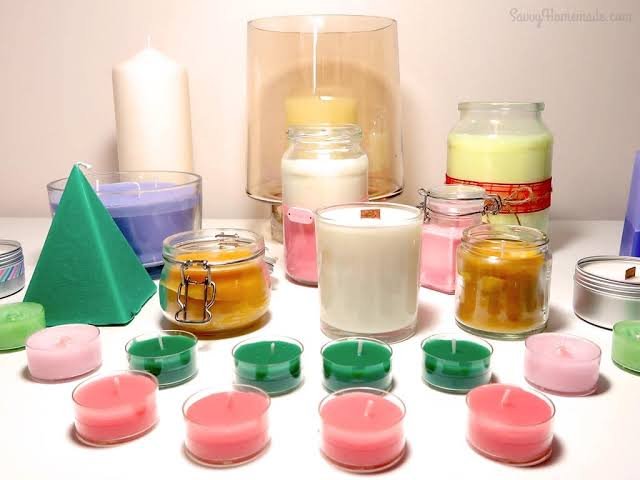
The Indian Candle Market Landscape
India’s candle market has undergone a remarkable transformation over the past decade. The commodity candle segment — plain white paraffin candles used for power outages and basic ceremonial purposes — is dominated by large manufacturers who compete purely on price with margins too thin for small operators to participate sustainably. The growth opportunity for small and medium candle businesses lies entirely in the premium segment — scented soy candles, aromatherapy candles, designer pillar and container candles, personalised gifting candles, luxury jar candles, and decorative candles for weddings and events — where differentiated products command prices 10-30 times the commodity candle benchmark and where small artisan producers can compete effectively against large manufacturers through product distinctiveness and brand storytelling.
The wellness and self-care movement that has gained significant momentum among India’s urban middle class — particularly among young professional women aged 25-45 who represent the primary premium candle buyer demographic — has created genuine, fast-growing demand for aromatherapy candles with therapeutic fragrance claims, natural wax options like soy and beeswax, and visually distinctive designs that serve both functional and home décor purposes.
Candle Making Business Key Financial Parameters
| Parameter | Home-Based Startup | Small Workshop | Medium Scale Production |
| Initial capital requirement | ₹20,000–1 lakh | ₹1 lakh–5 lakh | ₹5 lakh–20 lakh |
| Raw material cost per unit — premium | ₹50–150 per candle | ₹40–120 | ₹30–100 — bulk purchasing |
| Selling price — premium scented candle | ₹300–1,200 | ₹280–1,000 | ₹250–900 |
| Selling price — corporate gifting | ₹200–800 per unit | ₹180–700 | ₹150–600 |
| Gross profit margin | 60–75% | 62–78% | 65–80% |
| Monthly production capacity | 200–800 units | 1,000–5,000 units | 5,000–30,000 units |
| Monthly revenue potential | ₹60,000–4 lakh | ₹2 lakh–15 lakh | ₹8 lakh–60 lakh |
| Platform selling commission | 15–25% Etsy/Amazon/Meesho | 15–25% | 12–22% |
| Net profit margin — established | 35–55% | 35–55% | 30–50% |
| Break-even period | 2–6 months | 4–10 months | 8–18 months |
| Key raw materials | Soy/paraffin wax, fragrance oils, wicks, containers | Same | Same — bulk rates |
| Key equipment | Melting pot, thermometer, molds, pouring jug | Same + electric melter | Industrial melters, filling machines |
Why Candle Making Offers Strong Profit Potential
Exceptional Margin Structure: Premium candle making offers one of the most favourable cost-to-selling-price ratios available in small-scale manufacturing. A premium soy wax scented candle in a glass jar costs approximately ₹80-150 to produce — including wax, fragrance oil, wick, container, and packaging — and sells at ₹400-1,200 depending on positioning and channel. This 5-10x revenue-to-material-cost multiple provides gross margins of 65-80% that most manufacturing businesses cannot approach, leaving substantial room to absorb platform commissions, packaging, marketing, and still generate strong net profitability.
Gifting Market Revenue Amplification: The corporate gifting segment represents the highest-volume, highest-margin opportunity for established candle businesses — where bulk orders of 100-5,000 personalised candles for Diwali corporate gifts, employee appreciation kits, and client relationship gifting generate large one-time revenues with manageable production complexity. A single corporate order for 1,000 candles at ₹350 per unit generates ₹3.5 lakh in revenue — requiring one to two weeks of production from a small workshop and generating margins of ₹1.5-2 lakh after materials. Building relationships with corporate HR managers, event planners, and gifting aggregator platforms creates an annual Diwali gifting revenue surge that can represent 30-40% of annual business revenue concentrated in two months.
Online Channel Accessibility: Candle making is one of the most digitally accessible small manufacturing businesses in India — products photograph beautifully for Instagram and Pinterest content marketing, Etsy and Amazon Handmade provide immediate access to premium-seeking domestic and international buyer audiences, and WhatsApp-based direct selling to residential communities, office groups, and gifting networks requires no platform commission and builds direct customer relationships. Social media content showing the candle-making process — fragrance blending, wax pouring, labelling — generates authentic engagement that resonates powerfully with the lifestyle and wellness audiences who are premium candle buyers.
Low Entry Barrier for Testing: The home-based candle business model allows genuine market testing with as little as ₹20,000-50,000 in initial investment — purchasing starter quantities of wax, fragrance oils, wicks, and containers to produce 50-100 candles for sale through Instagram and personal networks. This low-risk validation approach allows entrepreneurs to test product-market fit, develop fragrance preferences, refine packaging aesthetics, and build initial customer feedback before committing to larger production investments.
Challenges That Require Honest Assessment
Market Saturation in Generic Segments: India’s Instagram-driven premium candle market has attracted enormous numbers of small producers — particularly in metro cities — creating genuine saturation in undifferentiated scented candle segments where hundreds of producers offer superficially similar products at similar price points. Standing out requires genuine product differentiation through distinctive fragrance development, memorable visual branding, superior packaging quality, and storytelling that builds brand identity beyond the generic artisan candle narrative that every competitor claims.
Fragrance Oil Quality and Sourcing: Fragrance oil quality is the single most important determinant of premium candle quality — the scent throw strength, authenticity, and safety profile of fragrance oils directly determines customer satisfaction and repeat purchase behaviour. Quality fragrance oils from reliable suppliers cost significantly more than low-grade alternatives — creating a margin versus quality trade-off that inexperienced producers frequently navigate poorly, building initial cost savings that destroy customer retention through disappointing scent performance.
Seasonal Revenue Concentration: India’s candle market has pronounced seasonality — Diwali, Christmas, Valentine’s Day, and the October-March wedding season generate dramatically higher demand than summer months when purchasing intent drops significantly. Managing cash flow through lean demand periods while maintaining raw material inventory and production capability for peak seasons requires financial planning discipline that catches many small operators unprepared.
Candle Making vs Alternative Home-Based Manufacturing Businesses
| Parameter | Candle Making | Soap Making | Jewellery Making | Bakery / Food |
| Startup capital | Very low — ₹20,000+ | Very low — ₹15,000+ | Low to moderate | Moderate |
| Gross margin | 65–80% | 60–75% | 55–75% | 40–60% |
| Gifting market potential | Very high | High | High | Moderate |
| Instagram content appeal | Very high — visual and aspirational | High | Very high | High |
| Regulatory requirement | Low — no food safety | Moderate — cosmetic safety | Low | High — FSSAI |
| Raw material availability | Good — online suppliers | Good | Variable | Good |
| Shelf life | 1–2 years | 6–12 months | Indefinite | Short — days to weeks |
| Repeat purchase frequency | Monthly to quarterly | Monthly | Occasional | Daily to weekly |
| Export potential | Moderate — Etsy international | Moderate | High | Low |
| Seasonal dependence | High — festival peaks | Moderate | Moderate | Low |
Candle making is a highly profitable business in India for entrepreneurs who invest in developing genuinely distinctive fragrances and visual branding, build corporate gifting relationships for volume revenue, leverage Instagram and WhatsApp for cost-efficient direct customer acquisition, and manage seasonal cash flow discipline through production and inventory planning. The combination of exceptional margin structure, low entry capital, gifting market opportunity, and social media accessibility makes it one of India’s most attractive home-based manufacturing businesses for aspiring entrepreneurs with creative sensibility and marketing commitment.