 By Saurav
 India’s café culture has undergone a genuine transformation over the past decade — transitioning from a market dominated by a handful of international chains and traditional Udupi-style restaurants into a richly diverse ecosystem of independent specialty coffee houses, themed cafés, co-working cafés, dessert cafés, and beverage concept stores that have made cafés a central feature of urban social life. The café has become more than a food and beverage destination for India’s young urban population — it is a workspace, a meeting venue, a social backdrop for content creation, a weekend experience destination, and increasingly a neighbourhood institution that communities develop genuine attachment to. Whether a café business is profitable in India in 2026 requires honest assessment of India’s most competitive food service format — where high failure rates coexist with genuinely successful businesses that understand their specific market, cost structure, and differentiation strategy clearly.
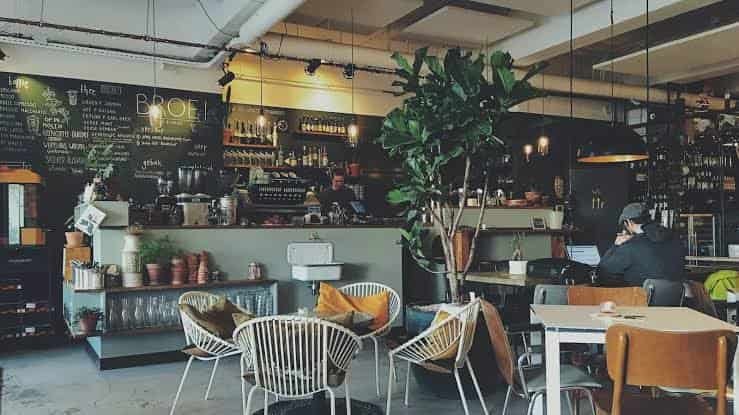
India’s Café Market Landscape in 2026
India’s café market spans multiple distinct segments with fundamentally different economics. The quick service café — small footprint, limited seating, focused on takeaway beverages — operates on high throughput and low rent with economics that favour profitability more reliably than full-service establishments. Specialty coffee cafés targeting premium urban audiences willing to pay ₹200-450 for meticulously prepared single-origin espresso drinks operate at the premium end with higher ticket sizes and potentially better margins. Large-format lifestyle cafés with extensive food menus, dedicated WiFi zones, and event hosting capabilities serve the all-day destination market but require substantially higher capital and generate higher fixed costs that demand strong daily revenue to sustain profitability.
Café Business Key Financial Parameters
| Parameter | Small QSR Café | Mid-size Specialty Café | Large Lifestyle Café |
| Setup capital | ₹5 lakh–20 lakh | ₹20 lakh–70 lakh | ₹70 lakh–3 crore |
| Monthly rental | ₹15,000–60,000 | ₹40,000–2 lakh | ₹1 lakh–5 lakh |
| Average ticket size | ₹80–200 | ₹200–500 | ₹350–800 |
| Daily customer target for break-even | 60–100 | 80–150 | 150–300 |
| Food and beverage cost percentage | 28–38% | 25–35% | 25–35% |
| Staff cost percentage | 15–22% | 18–25% | 22–30% |
| Rental cost percentage of revenue | 8–15% | 10–18% | 12–20% |
| Monthly revenue — good location | ₹3 lakh–8 lakh | ₹6 lakh–20 lakh | ₹15 lakh–60 lakh |
| Net profit margin — established | 12–22% | 14–25% | 10–20% |
| Break-even period | 12–24 months | 18–36 months | 24–48 months |
| FSSAI licence | Mandatory | Mandatory | Mandatory |
| GST registration | Required above ₹20 lakh turnover | Required | Required |
Profitability Drivers and Success Factors
Location as the Fundamental Variable: Café profitability is more location-dependent than almost any other food business. Locations with natural daily footfall — near office complexes, college campuses, residential apartment clusters, metro stations, and high-street retail areas — generate consistent customer flow that sustains the daily transaction volumes required for profitability. Destination cafés that depend on customers making deliberate trips face significantly higher marketing costs and more volatile daily revenue than location-advantaged establishments that capture passing traffic organically.
Beverage Margin Superiority: Beverages — particularly espresso-based coffee drinks — carry the highest margins in any café menu. A cappuccino with ₹15-25 of ingredient cost selling at ₹180-300 generates gross margins of 85-93% before labour. Building menus and operational focus around high-margin beverage sales while keeping food items as supporting additions rather than margin diluters dramatically improves café unit economics. Specialty cafés that train their teams to recommend and upsell premium beverage options consistently outperform generalist cafés that treat beverages as commodity items.
Instagram and Content Marketing Leverage: India’s café market has demonstrated extraordinary sensitivity to social media visibility — cafés with distinctive visual aesthetics, photogenic food and beverage presentation, and locations that serve as desirable content backdrops generate organic marketing through customer content creation that paid advertising cannot replicate at equivalent cost. Investing in interior design quality, beverage presentation craft, and brand visual identity pays disproportionate returns through social media amplification that drives discovery and footfall among the young urban audiences who are India’s most active café customers.
Corporate and Catering Extensions: Cafés with established kitchen infrastructure can extend revenue through corporate breakfast and lunch catering, private event hosting, and office snack delivery services that utilise existing capacity during off-peak production windows. These B2B revenue extensions improve overall café economics by spreading fixed costs across more revenue-generating activities.
Critical Challenges
The café business carries one of the highest failure rates of any retail business format — with industry estimates suggesting 60-70% of new cafés do not survive beyond three years. The combination of high fixed costs — rent, staff, and equipment maintenance — with revenue that depends on consistent daily footfall creates a fragile financial structure where months of below-target customer counts can exhaust working capital before the business achieves the customer habit formation that generates sustainable traffic.
Rental cost management is the most critical financial discipline — cafés that commit to premium rental locations betting on footfall that materialises slowly frequently find that rental costs consume margins during the 12-24 month establishment period before sufficient customer regularity develops. Negotiating rental structures with revenue-linked components, rent-free establishment periods, or lower base rent with turnover top-ups meaningfully reduces this establishment risk.
Café vs Alternative Food Business Options
| Parameter | Café | Cloud Kitchen | QSR Franchise | Bakery |
| Capital requirement | Moderate to high | Low to moderate | Moderate to high | Moderate |
| Footfall dependency | Very high | None — delivery | High | High |
| Brand building potential | Very high | Moderate | Franchise-dependent | Moderate |
| Net profit margin | 12–25% | 15–25% | 10–18% | 20–35% |
| Location risk | Very high | Low | Moderate | Moderate |
| Social media leverage | Very high | Moderate | Limited | High |
| Break-even period | 18–36 months | 6–18 months | 12–24 months | 12–24 months |
Café business profitability in India is achievable but demands right location selection, rigorous rental cost management, beverage-focused menu strategy, genuine interior and brand aesthetic investment, and the financial resilience to sustain 18-24 months of below-target revenue while building customer habit and community loyalty.