 By Saurav
 India’s beauty and personal care market is one of the fastest-growing consumer sectors in the world — a market being simultaneously expanded from the bottom by growing middle-class purchasing power and aspirational consumption, and transformed at the premium end by a generation of consumers who are globally informed, ingredient-conscious, and willing to pay premium prices for products that genuinely deliver on their promises. Whether a cosmetic business is profitable in India in 2026 depends critically on which segment is targeted — manufacturing private label products, retailing established brands, building an original cosmetic brand, or creating home-based natural beauty products — because each involves fundamentally different capital requirements, competitive dynamics, and profitability structures.
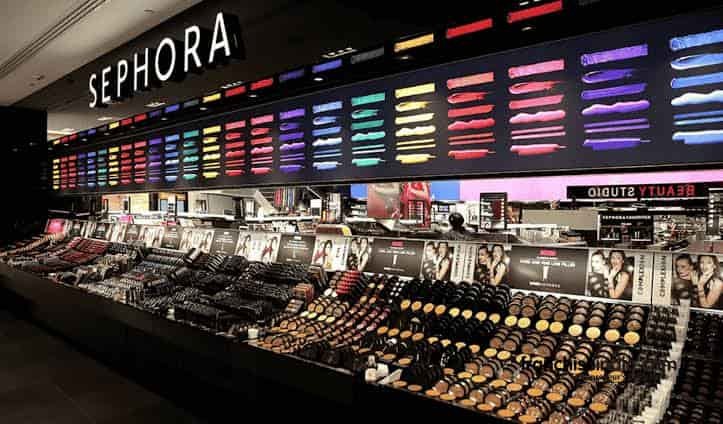
India’s Cosmetic Market Landscape in 2026
India’s beauty market encompasses skincare, haircare, makeup, fragrances, personal hygiene, and wellness products serving a consumer base whose sophistication and spending willingness has grown dramatically. The clean beauty movement — favouring natural, chemical-free, Ayurvedic, and sustainably sourced formulations — has created specific growth opportunities for Indian brands authentically positioned within these values rather than attempting to imitate international cosmetic giants. The K-beauty and J-beauty influences have simultaneously raised consumer expectations for skincare efficacy — creating demand for functional, ingredient-driven formulations that deliver measurable results rather than simply pleasant sensory experiences.
India’s cosmetic market has been democratised by e-commerce platforms — Nykaa, Amazon, Myntra, Meesho — that allow new brands to reach national audiences from day one without the expensive physical retail distribution infrastructure that market entry previously required. This democratisation has lowered barriers to brand building while simultaneously intensifying competition from thousands of new entrants attempting to capture the same digital shelf space.
Cosmetic Business Key Financial Parameters
| Parameter | Home-Based Natural Products | Private Label Brand | Manufacturing Unit | Retail Distribution |
| Startup capital | ₹50,000–3 lakh | ₹5 lakh–25 lakh | ₹20 lakh–2 crore | ₹10 lakh–50 lakh |
| CDSCO / drug licence requirement | Basic cosmetic manufacturing licence | Yes — Form 32 cosmetic licence | Yes — full manufacturing licence | Retail trade licence |
| Average product selling price | ₹300–2,000 | ₹400–3,000 | ₹150–2,000 | Margin on MRP |
| Cost of goods percentage | 25–40% | 30–45% | 35–50% | 50–65% of MRP |
| Gross profit margin | 60–75% | 55–70% | 50–65% | 35–50% |
| Nykaa commission | 25–35% of selling price | 25–35% | 20–30% | Not applicable |
| Amazon commission | 15–25% | 15–25% | 12–22% | Not applicable |
| Monthly revenue potential | ₹50,000–5 lakh | ₹2 lakh–20 lakh | ₹5 lakh–50 lakh | ₹3 lakh–20 lakh |
| Net profit margin — established | 30–50% | 25–45% | 20–35% | 15–25% |
| Break-even period | 3–12 months | 12–24 months | 18–36 months | 12–24 months |
| Regulatory body | CDSCO + BIS for some products | CDSCO | CDSCO | Trade standards |
Profitability Drivers in the Cosmetic Business
Natural and Ayurvedic Premium Positioning: Products authentically positioned within natural, organic, or Ayurvedic formulation frameworks command 30-50% price premiums over equivalent conventional products — and the premium is growing as consumer awareness of ingredient safety and sustainability increases. Brands that build genuine formulation credibility through transparent ingredient disclosure, third-party certifications, and authentic sourcing narratives generate customer loyalty that justifies premium pricing and resists competitive price pressure.
Direct-to-Consumer Channel Economics: Building a brand’s own website for direct selling — avoiding Nykaa and Amazon commissions of 20-35% — dramatically improves unit economics once sufficient brand awareness exists to drive direct traffic. DTC cosmetic brands that successfully convert social media following into website purchases retain margins that platform-dependent brands permanently surrender to marketplace intermediaries. Instagram and YouTube beauty content creation is the most cost-efficient DTC customer acquisition strategy — building genuine community around product philosophy rather than product features alone.
Men’s Grooming Growth Opportunity: India’s men’s grooming market has experienced extraordinary growth over the past five years — skincare, beard care, haircare, and personal fragrance for men represent fast-growing segments with less entrenched competition than women’s beauty. Brands that enter men’s grooming with genuine understanding of Indian male grooming habits and aesthetics rather than adapted women’s product lines find less saturated market positioning and strong growth momentum.
Gifting and Subscription Box Models: Cosmetic products are among India’s most popular gifting categories — festival hampers, birthday sets, bridal skincare kits, and corporate wellness gifts represent high-value, low-price-sensitivity purchase occasions that generate margins superior to standard retail. Subscription box models — monthly curated skincare selections — create recurring revenue with excellent customer lifetime value for brands with sufficient product range depth to sustain monthly variety.
Regulatory Requirements That Cannot Be Overlooked
The cosmetic business in India is regulated by the Central Drugs Standard Control Organisation — all cosmetic products require manufacturing under valid licences, ingredient compliance with Schedule S of the Drugs and Cosmetics Act, and proper labelling including ingredient lists in INCI nomenclature. Colour additives, preservatives, and certain active ingredients face specific usage restrictions. Operating without proper licensing creates serious legal exposure including product seizure, business closure, and criminal penalties that can destroy the entire investment.
Obtaining a cosmetic manufacturing licence requires an appropriately qualified person — typically a pharmacist or chemistry graduate — on the manufacturing premises, a facility meeting GMP requirements, and documented quality control procedures. Small home-based manufacturers sometimes operate informally below regulatory visibility thresholds but face genuine legal risk that organised businesses must eliminate through proper compliance.
Cosmetic Business vs Alternative Beauty Sector Opportunities
| Parameter | Cosmetic Brand | Beauty Salon | Spa and Wellness | Online Cosmetic Retail |
| Capital requirement | Low to moderate | Moderate | High | Moderate |
| Regulatory complexity | Moderate — CDSCO | Low | Moderate | Low |
| Scalability | Very high — product multiplication | Location limited | Location limited | High |
| Gross margin | 55–75% | 50–70% | 45–65% | 35–50% |
| Brand building potential | Very high | Local | Local to regional | Moderate |
| Recurring revenue | Repurchase cycle | High — regular clients | Moderate | High |
| E-commerce suitability | Excellent | Not applicable | Limited | Excellent |
The cosmetic business offers exceptional profitability potential in India for entrepreneurs who invest in genuine product quality and formulation integrity, build distinctive brand positioning around natural or functional beauty values, develop DTC channel capabilities to reduce platform dependency, and navigate regulatory compliance properly from the outset.