 By Ramakant Dua
 Limda Chowk is one of the most prominent, centrally located, and historically significant intersections in Rajkot, Gujarat. Situated in the heart of the city, this chowk serves as a major commercial hub, a key transit junction, and a well-known landmark surrounded by traditional markets and business establishments. Known for its vibrant street activity and strong connection to Rajkot’s old city, Limda Chowk plays a crucial role in the city’s daily life.
In 2026, Limda Chowk continues to remain one of the busiest and most active areas in Rajkot, with constant pedestrian movement, dense retail activity, and strong connectivity to all parts of the city. With its blend of history, commerce, and urban growth, the chowk is not just a traffic intersection but a central symbol of Rajkot’s identity and economic strength.
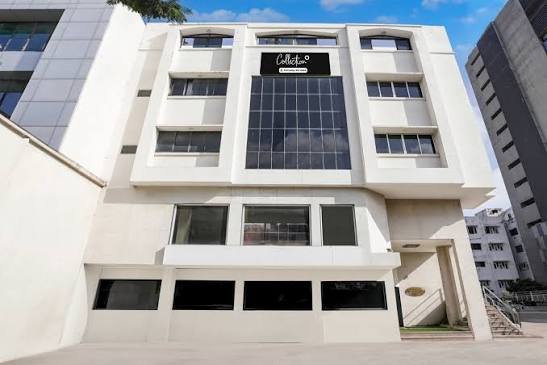
Limda Chowk Rajkot Quick Details
| Category | Details |
| Location | Limda Chowk, Central Rajkot, Gujarat – 360001 |
| Also Known As | Limda Circle |
| Nearest City | Gondal (~40 km) |
| Highway | Connected via city arterial roads & NH-27 nearby |
| Key Roads | Dhebar Road, Soni Bazaar Road, Yagnik Road |
| Nearest Railway Stn | Rajkot Junction (~2 km) |
| Nearest Airport | Rajkot Airport (~4 km) |
| Bus Connectivity | GSRTC buses, autos, e-rickshaws |
| Iconic Landmark | Limda tree (historic reference) |
| Importance | Central commercial & transit hub |
| Nearby Areas | Soni Bazaar, Dhebar Road, Yagnik Road |
| Pin Code | 360001 |
| Admin Body | Rajkot Municipal Corporation |
| Development Status | Fully developed urban core |
| Redevelopment Status | Traffic management & urban improvements ongoing |
1. Location & Identity of Limda Chowk
Limda Chowk is located in central Rajkot, making it one of the most accessible and busiest intersections in the city. Positioned at the convergence of major roads like Dhebar Road and Yagnik Road, it connects key commercial and residential areas.
Rajkot, one of Gujarat’s major cities, has a strong trading and business culture, and Limda Chowk lies at the center of this activity. It acts as a focal point where markets, shops, and people come together.
The identity of Limda Chowk is shaped by:
- Its location in the heart of Rajkot’s old city
- Its role as a major commercial junction
- Its historical connection to traditional marketplaces
It is often described as:
👉 The commercial heart of Rajkot
👉 A central landmark of the old city
The area is surrounded by:
- Traditional markets and retail shops
- Business establishments and offices
- Dense residential neighborhoods
Administered by: Rajkot Municipal Corporation, responsible for urban infrastructure and development.
2. Connectivity & Transport Infrastructure
Limda Chowk offers strong connectivity across Rajkot.
1. Road Connectivity
Dhebar Road:
One of the main roads connecting different parts of the city.
Yagnik Road:
A major commercial road leading to shopping areas and offices.
Soni Bazaar Road:
Connects traditional markets and retail zones.
Nearby NH-27:
Provides connectivity to other cities in Gujarat.
2. Rail & Airport Connectivity
Rajkot Junction:
Located approximately 2 km away, offering connectivity to major cities.
Rajkot Airport:
Situated around 4 km from the chowk.
3. Public Transport & Movement
- GSRTC buses operate on major routes
- Autos and e-rickshaws are widely available
- High pedestrian movement
The chowk experiences heavy traffic due to:
👉 Shoppers and traders
👉 Office commuters
👉 Daily city movement
3. Historical Background & Cultural Significance
Limda Chowk holds deep historical importance tied to Rajkot’s development as a trading and cultural center in Gujarat.
Origin of the Name “Limda”
The name “Limda” comes from the Neem tree (locally called Limda in Gujarati) that historically stood at or near the chowk. Such trees often served as natural gathering points in old Indian towns.
Early Development of Rajkot
Rajkot was established as a princely state and developed as an important administrative and trading center in the Saurashtra region. Areas like Limda Chowk formed part of the early urban layout.
Role in Traditional Market Life
- The chowk developed as a central meeting point
- It connected major bazaars like Soni Bazaar
- Traders and merchants used it as a hub for business activity
Over time, it became one of the busiest marketplaces in Rajkot.
Colonial and Post-Independence Phase
During British rule and after independence:
- Rajkot expanded beyond its traditional core
- Modern roads and infrastructure were developed
- Limda Chowk retained its importance as a commercial center
Modern Identity
Today, Limda Chowk represents:
- Rajkot’s rich trading heritage
- A blend of traditional markets and modern commerce
- A central landmark in the city’s identity
4. Commercial & Market Activity
Limda Chowk is one of the busiest commercial zones in Rajkot.
Key Commercial Zones
- Soni Bazaar – traditional jewelry and retail market
- Dhebar Road – commercial strip
- Local street markets
What You’ll Find
- Jewelry shops and traditional stores
- Clothing and textile shops
- Electronics and daily-use items
Food & Lifestyle
The area offers classic Gujarati food options:
- Street food like fafda, dhokla, and kachori
- Sweet shops and local eateries
- Small restaurants and cafes
The chowk attracts:
👉 Traders and shop owners
👉 Families and shoppers
👉 Tourists and visitors
5. Real Estate & Commercial Importance (2026)
Limda Chowk is part of a high-value commercial zone in Rajkot.
Current Trends
- High demand for retail spaces
- Limited residential development
- Strong commercial activity
Investment Perspective
- Central location ensures high footfall
- Ideal for retail and business
- Stable long-term value
It is ideal for:
👉 Shop owners and traders
👉 Commercial investors
👉 Small business operators
6. Social Infrastructure & Daily Life
The area supports a vibrant urban lifestyle.
1. Education
- Schools and colleges nearby
- Educational institutions across Rajkot
2. Healthcare
- Hospitals and clinics within reach
- Medical services easily accessible
3. Shopping & Lifestyle
- Traditional markets and retail shops
- Restaurants and street food
- Easy access to daily essentials
7. Modern Redevelopment & Urban Changes
Rajkot continues to improve its infrastructure.
Key Improvements
- Traffic management systems
- Road improvements
- Urban beautification projects
Impact
- Improved traffic flow
- Increased commercial activity
- Better shopping experience
This development balances:
👉 Traditional market heritage + modern urban growth
Conclusion
Limda Chowk in Rajkot is far more than just a traffic junction — it is a central hub that reflects the city’s rich trading culture and urban life.
In 2026, the chowk stands as one of the most active and important areas in Rajkot, supported by strong connectivity, vibrant markets, and historical significance. Its central location and commercial importance make it a key landmark in the city.
Whether you are shopping, commuting, or exploring Rajkot, Limda Chowk offers a complete experience of the city’s heritage, commerce, and daily rhythm.